
Cayman Island Slots Regulations: An In-Depth Overview
The Cayman Islands have established a well-defined framework governing gambling activities, including slots and online gaming, to ensure a secure and transparent environment for operators and players alike. This overview provides a comprehensive understanding of the overarching gambling landscape, highlighting the specific regulations that apply to slot machines and online gambling services within this Caribbean territory.

Overview of the Gambling Environment in the Cayman Islands
The Cayman Islands maintain a regulated gambling environment characterized by clear rules and oversight mechanisms designed to promote responsible gaming and fair play. While gambling is generally permitted in specific licensed operations, the territory's laws emphasize stringent compliance standards and operational transparency. This structure aims to attract reputable operators and provide players with a safe, well-regulated gaming experience.
Although gambling activities are permitted under strict conditions, public participation is primarily limited to licensed operators who meet rigorous standards established by the regulatory authorities. This ensures that all slot machines and online gaming platforms operate within a trusted legal framework, safeguarding players' interests and contributing to the territory’s economic stability.
Legal Status of Slots and Online Gambling
In the Cayman Islands, the legal status of slots and online gambling is governed by legislative instruments that specify the scope of permissible activities. Charging licensing fees and implementing compliance obligations are fundamental parts of the regulatory model. These regulations clarify that only authorized operators who meet predetermined standards can offer slot machines either in physical venues or via online platforms.
The legislation categorizes slot operations under broader gambling laws, which stipulate criteria for licensing, operational conduct, and player protection measures. This creates a structured environment where off-shore and local operators must adhere to established rules to conduct gambling activities within the jurisdiction.
Regulatory Authorities Overseeing Gambling Activities
The primary agency responsible for overseeing gambling activities in the Cayman Islands is the Gaming Regulatory Authority (GRA). This authority is tasked with issuing licenses, monitoring compliance, and enforcing regulations to ensure the integrity of all gaming operations, including slots and online wagering.
The GRA works closely with other government departments to maintain a robust regulatory framework that handles licensing procedures, compliance audits, and enforcement actions. This institutional setup ensures a high standard of operational integrity and maintains the territory’s reputation as a responsible gaming jurisdiction.
Licensing Requirements for Slots Operators
Operators intending to run slot gaming activities in the Cayman Islands must obtain a comprehensive license issued by the GRA. The application process involves detailed vetting procedures that review the applicant’s financial stability, technical infrastructure, and operational plans. Applicants are also required to demonstrate compliance with anti-money laundering measures and responsible gaming protocols.
Additionally, licensed operators need to secure permits for physical slot venues or obtain approval for online gaming platforms, ensuring they meet all technical and operational standards set forth by the authorities. A rigorous background check is conducted on key executives and shareholders to maintain the integrity of the licensing process.
Operational Standards and Compliance
Once licensed, operators must adhere to strict operational standards, including maintaining secure gaming systems, fair game practices, and regular audits. Compliance with these standards involves ongoing monitoring by the GRA, regular submission of operational reports, and implementing measures for responsible gambling.
Operators are also expected to carry out routine testing of their slot machines or online games to verify the randomness and fairness of outcomes. Technology standards are enforced to prevent fraud, hacking, and other malicious activities, fostering trust among players and regulators alike.
Player Protection and Responsible Gambling
The regulations emphasize protecting players through measures such as self-exclusion programs, deposit limits, and age verification processes. Operators must implement responsible gambling tools designed to help players manage their participation responsibly.
Communication with players regarding the risks involved and providing accessible support channels are critical components of the regulatory framework. These initiatives aim to promote a sustainable gambling environment that prioritizes harm minimization and ethical gaming practices.
Advertising and Marketing Regulations
Advertising standards in the Cayman Islands restrict misleading claims and ensure transparency in marketing campaigns related to slots and online gambling products. Operators must avoid promoting excessive gambling or targeting minors, aligning all promotional content with the ethical guidelines set forth by the regulatory authorities.
The rules also regulate the placement and timing of advertisements to prevent exploitative practices and protect vulnerable populations from undue influence.
Taxes and Fees for Slots Operators
Licensed operators are subject to specific tax obligations and licensing fees designed to support the regulatory framework. These include initial licensing fees, annual renewal costs, and excise taxes on gaming revenue. Accurate reporting and prompt payment of applicable taxes are mandatory to sustain operational licenses.
Technical Standards for Slot Games
All slot games offered within the jurisdiction must comply with technical standards ensuring fairness and randomness. Gaming systems are subject to certification by approved testing laboratories before deployment. These standards cover the software integrity, payout percentages, and security features necessary to protect players and operators alike.
Dispute Resolution and Customer Complaints
Operators are required to have established procedures for handling player disputes and complaints efficiently. Independent arbitration mechanisms may be utilized to resolve issues fairly, with oversight from the GRA to ensure compliance with regulatory standards and protect player rights.
Cross-Border Gambling and International Operators
The Cayman Islands permits international operators to offer slots and online gambling services, provided they hold valid licenses issued under the jurisdiction’s regulations. Cross-border arrangements necessitate rigorous due diligence and adherence to international standards for responsible gaming and financial transparency.
Recent Developments and Revisions in Slots Regulations
Ongoing revisions aim to enhance existing regulations, incorporating technological advancements and adjusting to market trends. These updates focus on strengthening player protection measures, improving operational transparency, and updating licensing procedures to align with international best practices.
Best Practices for Compliance and Licensing
Successful compliance involves maintaining up-to-date knowledge of regulatory requirements, conducting internal audits, and fostering transparency with authorities. Building strong regulatory relationships and engaging in continuous education on industry standards are key strategies for licensed operators.
Future Outlook for Slots Regulation in the Cayman Islands
The regulatory framework will likely evolve to incorporate emerging technologies such as blockchain and enhanced cybersecurity measures. Emphasis on responsible gaming and international cooperation is expected to grow, ensuring the Cayman Islands remains a trusted hub for slot gaming providers and players worldwide.
Summary of Key Points and Regulatory Expectations
Operators seeking to offer slot machines and online gaming in the Cayman Islands must navigate a structured licensing system governed by the GRA. Compliance with technical standards, responsible gambling policies, and transparency obligations forms the core of operational success. As the industry advances, staying aligned with regulatory developments will be crucial for long-term sustainability in this regulated environment.
Regulatory Authorities Overseeing Gambling Activities in the Cayman Islands
The regulatory framework for gambling activities in the Cayman Islands is primarily managed by the Gambling Regulatory Authority (GRA). This authority is tasked with overseeing all aspects of gaming, including the licensing, operational compliance, and enforcement related to slot machines and online gambling platforms. The GRA operates under the jurisdiction of the Gaming Law, which delineates the scope and standards for all gaming activities within the territorial boundaries.
Furthermore, the GRA collaborates with other governmental bodies to ensure a cohesive approach to regulation, including the Ministry of Financial Services, Commerce, and Environment. These collaborations help reinforce the integrity of the gaming environment, maintain market stability, and uphold international standards for licensing and operational transparency.
Key Roles of the Gambling Regulatory Authority (GRA)
- Issuance and renewal of operational licenses for slot machine operators and online platforms.
- Monitoring compliance with technical specifications and operational protocols.
- Ensuring adherence to responsible gaming practices and player protection measures.
- Investigating complaints, enforcing regulatory standards, and imposing sanctions when necessary.
- Fostering transparency and integrity through audits, reporting requirements, and regulatory updates.
Legal Framework and Regulatory Scope
The GRA’s authority derives from the Cayman Islands Gaming Law, which provides a comprehensive legal structure for licensed operators. This framework stipulates licensing requirements, operational standards, and compliance protocols for both land-based and online slot machines. The law emphasizes a clear separation of licensing, regulation, and enforcement to promote fair play, financial integrity, and responsible gambling.

Engagement with Industry Stakeholders
The GRA maintains ongoing dialogue with industry stakeholders, including licensees, industry associations, and technology providers. This continuous engagement ensures that regulatory policies remain current with technological innovations and market trends. Additionally, stakeholder feedback is incorporated into updates and revisions of existing regulations, thereby strengthening the overall regulatory environment and fostering a trusted gaming industry.
Operators seeking to establish or expand their slot gaming activities should prioritize establishing open communication channels with the GRA. This proactive approach supports compliance, facilitates licensing processes, and ensures alignment with regulatory expectations, ultimately contributing to a sustainable and compliant gaming operation within the jurisdiction.
Details About the Government and Regulatory Bodies Responsible for Licensing, Supervision, and Enforcement of Gambling Laws Related to Slots
The Cayman Islands' approach to oversight of slot gaming activities involves a structured framework managed by specialized authorities committed to maintaining a fair and transparent gaming environment. The primary agency entrusted with this responsibility is the Cayman Islands Gaming Regulatory Authority (GRA), which operates under the authority granted by the Cayman Islands Gaming Law.
The GRA's responsibilities encompass issuing licenses, monitoring compliance, and enforcing regulations related to both land-based and online slot operations. This includes ensuring that operators adhere to prescribed standards of fairness, financial accountability, and responsible gaming practices. Licensing procedures involve rigorous background checks, financial assessments, and verification of the technical integrity of gaming systems. Once licensed, operators are subject to ongoing oversight, which includes periodic audits, reporting requirements, and compliance checks to uphold the integrity of gaming activities within the jurisdiction.
Supporting the GRA are other government departments and legal entities that facilitate different aspects of regulatory enforcement. These may include financial regulatory bodies for anti-money laundering (AML) compliance, taxation authorities to ensure proper fee collection, and consumer protection agencies responsible for safeguarding player interests.

A critical element of the regulatory environment is the continuous engagement with industry stakeholders. The GRA actively collaborates with licensed operators, industry associations, technology providers, and other relevant entities. This ongoing dialogue fosters a regulatory landscape that adapts swiftly to technological advancements, market shifts, and emerging challenges.
Operators looking to establish or expand their slot operations are advised to prioritize transparent and open communication channels with the GRA. Ensuring proactive compliance, timely reporting, and adherence to prescribed standards not only simplifies the licensing process but also contributes to a more stable and reputable gaming industry within the Cayman Islands. These collaborative efforts are essential for maintaining a responsible gaming environment that benefits players, operators, and regulators alike.
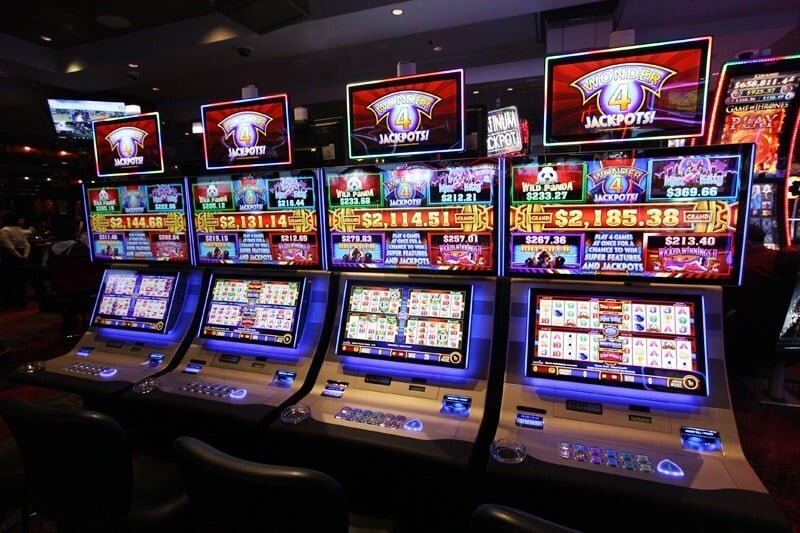
Operational Standards and Compliance
Operators engaged in providing slot gaming services within the Cayman Islands must adhere to stringent operational standards designed to promote fairness, security, and transparency. These standards encompass a broad spectrum of requirements, including the implementation of secure random number generation (RNG) algorithms, regular testing of gaming software by independent auditors, and maintaining robust internal controls to prevent fraud and manipulation.
To ensure ongoing compliance, operators are typically subject to periodic audits and reviews conducted by regulatory authorities. These inspections verify that the operational procedures align with established standards, and any discrepancies must be addressed promptly to maintain licensing status. Additionally, operators are required to maintain comprehensive records of all gaming transactions, player activity, and financial reports for a specified retention period, facilitating audit processes and regulatory oversight.
Customer data protection is paramount within the operational standards framework. Operators must employ the latest encryption technologies to safeguard sensitive information and implement rigorous identity verification protocols to prevent underage or fraudulent participation. Such measures contribute to a trustworthy gaming environment that aligns with the regulatory framework's emphasis on integrity and fairness.
Furthermore, operators are obliged to enforce anti-money laundering (AML) procedures and participate in continuous monitoring of gaming activities. Suspicious transactions or irregular betting patterns must be reported to the regulatory authorities without delay, aiding in the prevention of illegal financial activities originating from slot gaming operations.

Player Protection and Responsible Gambling
Providing a safe and responsible gaming environment is integral to the regulatory approach for slots in the Cayman Islands. Operators are required to adopt policies that promote responsible gambling, including the implementation of self-exclusion programs, deposit limits, and time-outs designed to help players manage their gaming behaviors effectively.
Educational initiatives and access to resources about gambling risks are encouraged to enhance player awareness and support informed decision-making. Customer support services must be accessible, knowledgeable, and capable of assisting players facing issues related to gambling addiction or financial difficulty.
Monitoring player activity for signs of problem gambling is a critical compliance component. Operators must utilize advanced analytics tools to detect patterns indicating potential harm, then intervene appropriately, whether through offering counseling resources or suspending gaming accounts upon request or suspicion.
All responsible gambling measures are subject to regular review and must be updated to incorporate new technologies or insights, ensuring that players’ well-being remains a priority within the regulatory environment.

Operational Standards and Compliance
Adherence to operational standards is fundamental for maintaining a reputable and trustworthy slot gaming environment within the Cayman Islands. Operators are expected to implement comprehensive security protocols that safeguard player data and financial transactions, utilizing up-to-date encryption technologies and secure payment gateways. Regular security audits are mandated to identify and address vulnerabilities proactively, ensuring that all systems remain resilient against cyber threats.
Game fairness is also a critical aspect of the regulatory framework. Slot machines and online games must undergo rigorous testing by independent agencies to verify that their outcomes are truly random and that the algorithms used comply with predefined fairness criteria. Certification of these systems is a prerequisite for authorization, fostering transparency and trust among players.
In addition, operators need to establish internal compliance programs that monitor adherence to all applicable standards continuously. This involves staff training on regulatory requirements, maintaining detailed records of gaming activities, and conducting internal audits periodically. Meeting these standards not only aligns with regulatory expectations but also promotes a responsible gaming ecosystem.

Player Protection and Responsible Gambling
The enforcement of player protection policies is integral to the regulatory landscape. Operators are required to offer tools and resources that empower players to manage their gaming activities effectively. These include self-assessment questionnaires, deposit and loss limits, as well as time management features that help players set boundaries.
Educational materials about responsible gambling are encouraged and often mandated, providing players with information about potential risks and responsible gaming practices. Customer support must be trained to recognize signs of problem gambling and to offer or escalate access to support services, such as counseling or self-exclusion options.
Monitoring and analysis of player activity are continual processes, aiming to detect patterns indicative of compulsive behavior. Implementing advanced analytics systems allows operators to take proactive steps, including account suspensions or offering targeted intervention resources. These measures are reviewed regularly to incorporate technological advances and evolving best practices, ensuring that standards for player well-being remain high.
Overall, fostering a safe and responsible gaming environment is paramount, aligning operational practices with ethical standards and regulatory requirements.
Operational Standards and Compliance
Operators managing slot machines within the Cayman Islands must adhere to strict standards designed to uphold integrity and consumer trust. This includes maintaining rigorous internal controls, implementing robust security measures, and ensuring transparent payout procedures. Regulatory frameworks often specify the use of auditable software that complies with recognized industry standards, safeguarding against tampering or manipulation. Compliance also involves regular reporting and record-keeping. Operators are typically required to submit detailed financial reports, including transaction logs, payout histories, and audit summaries, to relevant authorities. These records facilitate oversight, enabling authorities to monitor operational activities, detect irregularities, and ensure adherence to statutory requirements. Furthermore, operators must implement effective anti-fraud measures. This involves employing advanced technology to prevent unauthorized access, prevent money laundering, and monitor suspicious transactions. Network security protocols, encryption technologies, and secure data storage are fundamental components of these operational standards. Staff training is another significant aspect of compliance. All employees involved in slot operations must be knowledgeable about regulatory requirements, customer service standards, and responsible gambling protocols. Regular training updates and assessments are mandated to ensure continuous adherence to evolving standards. Operational audits are often conducted periodically by independent evaluators. These audits verify that operators follow prescribed procedures, maintain technological integrity, and uphold high standards of fairness and transparency. Results from audits are used to inform licensing decisions, renewals, or the implementation of corrective measures. Adopting international best practices in operational management not only enhances the credibility of slot operators but also ensures that the industry remains aligned with global standards, fostering a secure environment for players and stakeholders alike.

Regulatory Standards for Slot Operations and Player Safety
Adherence to established operational standards is crucial for maintaining integrity in the slot gaming industry within the Cayman Islands. Operators are required to implement comprehensive internal controls that ensure the fairness and transparency of gaming activities. These controls encompass random number generation (RNG) testing, routine auditing, and independent validation to uphold game integrity. Regular testing and certification of gaming software by recognized third-party auditors guarantee that the outcomes of slot games are genuinely unpredictable and unbiased, aligning with international standards.
In addition to software validation, operators must maintain rigorous data management practices. Secure data storage systems safeguard player information and transaction records, which are vital for resolving disputes and conducting investigations when necessary. Network security measures, including encryption protocols, firewalls, and intrusion detection systems, are mandated to prevent unauthorized access and cyber breaches, thereby protecting both players and operators.

Operators are also responsible for establishing comprehensive anti-money laundering (AML) policies. These policies include customer due diligence procedures, ongoing transaction monitoring, and reporting suspicious activities to designated authorities. Regular internal and external audits are designed to verify compliance with AML requirements, ensuring operational transparency.
Staff Training and Industry Best Practices
Consistent staff training is fundamental for operational excellence and regulatory compliance. Employees involved in slot operations must be well-versed in regulatory procedures, responsible gambling protocols, and customer service excellence. Continuous education programs and periodic assessments help maintain a high standard of knowledge, ensuring that staff can address player inquiries effectively and uphold ethical standards.
Fair Play and Transparency Measures
The Cayman Islands regulations emphasize transparency in game mechanics and fairness. Operators are required to publish clear terms and conditions and provide players with accessible information about game rules and payout percentages. Implementing player-verifiable features, like audit logs accessible upon request, fosters confidence in the fairness of slot games.
Operational transparency extends to dispute resolution processes. Clear channels are established for players to lodge complaints or seek redress, with procedures aligned to enforce fairness and uphold customer rights. These procedures often involve independent dispute resolution services or arbitration panels to ensure impartiality.
Technical Standards for Slot Games
In the Cayman Islands, the implementation of technical standards for slot games is a critical component of the regulatory framework. These standards are designed to ensure that all gaming software and hardware used in slot machines operate fairly, reliably, and securely. Operators are required to employ certified gaming platforms that meet specific technical specifications, including random number generator (RNG) integrity, software auditing, and security protocols.
Each slot game must undergo rigorous testing by approved independent testing laboratories. These tests verify that the game outcomes are random and that the payout percentages adhere to defined thresholds. Certification of the gaming software is typically valid for a specified period and requires regular re-evaluation to maintain compliance with evolving standards.

Moreover, operators must implement robust cybersecurity measures to prevent unauthorized access or tampering with game data. This includes secure data encryption, routine system audits, and real-time monitoring of game operations. All technical infrastructure must also support transparent audit trails, allowing regulators to review game outcomes and payout records as needed.
Compliance with these technical standards is essential for maintaining transparency and building player trust. Regular internal reviews, coupled with periodic impartial audits, help ensure that slot game operations continue to adhere to the approved standards, thus safeguarding the interests of both players and operators.

Advertising and Marketing Regulations
Operators engaging in slot games within the Cayman Islands are subject to strict advertising standards designed to promote responsible marketing practices. All promotional content must be accurate, transparent, and not misleading, ensuring that players are well-informed about the nature and risks of slot gaming. Advertising campaigns must clearly distinguish between promotional offers and genuine opportunities, avoiding exaggerated claims about winning odds or guaranteed returns.
Regulations also specify that marketing materials should not target minors or vulnerable groups, emphasizing the importance of ethical promotion. Publishers and broadcasters of promotional content are required to adhere to approved guidelines, which include clear disclaimers about gambling risks and the need for responsible gaming.
Additionally, all forms of online and offline advertising must be approved by relevant regulatory authorities prior to dissemination. This process helps maintain integrity within the marketing landscape, ensuring that promotional activities uphold the standards of fairness and honesty mandated by law. Mobile marketing, social media campaigns, and affiliate marketing channels are all monitored to prevent the dissemination of inappropriate or deceptive advertisements.
Operators are encouraged to promote responsible gambling messages as part of their ongoing marketing efforts. These messages often include advice on setting betting limits, recognizing signs of problem gambling, and seeking help when needed.

Taxes and Fees for Slots Operators
Slots operators in the Cayman Islands are subject to a framework of taxation and licensing fees that support the regulatory infrastructure. These fees are structured to ensure that operators contribute fairly to the local economy and maintain compliance with operational standards. Initial licensing fees are payable upon application, covering the costs of application review and due diligence procedures.
Annual license renewal fees are levied based on factors such as the size of the operation, revenue generated, and scope of gaming activities. These fees also fund ongoing regulatory oversight, audits, and compliance monitoring activities. Additionally, there are specific taxes on gross gaming revenue derived from slot operations, which are calculated periodically to align with financial reporting cycles.
Operators are required to maintain detailed financial records and submit regular reports demonstrating their adherence to fiscal obligations. Transparent financial practices are fundamental, with authorities conducting audits to verify reported revenues and ensure proper tax remittance.
Failure to meet these financial obligations can lead to penalties, suspension, or revocation of licensing. Overall, the tax and fee structure is designed to facilitate a sustainable gaming environment that benefits the broader community while supporting robust regulatory oversight.

Technical Standards for Slot Games
The Cayman Islands enforce rigorous technical standards to ensure slot games operated within its jurisdiction uphold fairness, security, and transparency. These standards are aligned with global best practices and are implemented through regular audits and testing by appointed technical assessors.
Slot game developers and operators must utilize software that has undergone comprehensive testing to meet predefined criteria related to randomness, payout accuracy, and system integrity. Certification from certified independent testing labs is often required before a game is permitted to be offered publicly. This process verifies that the software generates unpredictable outcomes that reflect real chance, without bias or manipulation.
Technical standards also encompass security protocols designed to safeguard player data and financial transactions. Encryption methods, secure socket layer (SSL) connections, and intrusion detection systems are mandatory for all online slots platforms. These measures help protect against cyber threats and ensure the privacy and safety of players’ personal and financial information.
Operators are tasked with maintaining detailed records of software development, testing, and certification processes. These records must be readily accessible for inspection by regulatory authorities during periodic compliance reviews. Continuous monitoring and regular audits are essential components of ongoing adherence to technical standards, ensuring that slot games remain fair and trustworthy over time.
Failure to comply with these technical standards can result in suspension or suspension of gaming operations, withdrawal of certification, and potential legal consequences. As such, maintaining high standards forms the backbone of a sustainable and reputable slot gaming environment within the jurisdiction, aligning with the overarching goals of fairness, transparency, and player confidence.
Technical Standards for Slot Games
Maintaining rigorous technical standards is essential for ensuring that slot games operated within the Cayman Islands meet the highest levels of fairness and security. The certification process involves comprehensive testing conducted by independent laboratories accredited to verify that the software adheres to established fairness criteria. This testing covers aspects such as random number generator (RNG) integrity, payout percentages, and game volatility. Only after passing these evaluations can a game be approved for public deployment.
Security protocols also play a vital role in the technical framework of online slots. Operators are required to implement encryption methods, such as SSL (Secure Sockets Layer), to shield sensitive data, including players' personal information and financial transactions. These measures are designed to thwart cyber threats and unauthorized access, thus safeguarding the integrity of the gaming environment.
Operational transparency is fundamental, and operators must retain detailed records of all testing, certification, and development processes. Such documentation must be available for review during compliance audits conducted by regulatory authorities. Continuous adherence to technical standards involves routine monitoring and periodic inspections to detect and rectify any discrepancies that could impact game fairness or security.

Failure to meet these standards can lead to disciplinary actions, including suspension of the gaming license, revocation of certification, and potential legal consequences. This framework ensures that only games verified for fairness and security are available to players, fostering trust and integrity in the online gaming market within the jurisdiction.
Dispute Resolution and Customer Complaints
Effective mechanisms are established to handle player complaints and disputes related to slot games. Operators are required to provide transparent and accessible procedures for players to submit grievances. These are then reviewed by dedicated compliance teams or third-party mediators trained to resolve issues efficiently. Documentation of all complaint interactions must be maintained for accountability and review purposes, ensuring a fair process that upholds player rights.
Recent Developments and Revisions in Slots Regulations
In recent years, the regulatory framework governing slot operations within the Cayman Islands has undergone significant updates aimed at enhancing the integrity and transparency of the gaming sector. These legislative changes reflect an ongoing commitment to maintaining a secure environment for players and operators alike, aligning with international best practices.
One notable development is the refinement of licensing procedures, emphasizing stricter compliance checks and comprehensive background evaluations for applicants. This includes detailed assessments of the applicant's financial stability, operational capacity, and technical infrastructure, ensuring only qualified entities can obtain and maintain licenses for slot operations.
Additionally, modifications have been introduced to strengthen the technical standards applicable to slot machines and software providers. These revisions mandate more rigorous testing and certification processes for all gaming software, with an emphasis on fairness, randomness, and security. Regular audits are now a core component of ongoing compliance, with authorities conducting both scheduled and surprise inspections to verify adherence.

Regulatory bodies have also increased their focus on responsible gambling initiatives, requiring operators to implement robust player protection measures. This includes clearer disclosure of game odds, setting deposit limits, and providing accessible self-exclusion options. Operators are now mandated to conduct regular staff training on responsible gambling practices, fostering a safer gaming environment.
Moreover, the legal framework has expanded to address emerging issues arising from technological advancements. For instance, regulations surrounding mobile slot games and real-time betting have been clarified, ensuring they meet established standards of fairness and security.

Operational Standards and Compliance
Operators of slot games within the Cayman Islands are required to adhere to strict operational standards that ensure fairness, transparency, and security. These standards encompass all facets of slot machine operation, from software development to overall game management. All gaming software must undergo rigorous testing and certification processes overseen by authorized testing labs approved by the regulatory authorities. This process verifies that the software demonstrates genuine randomness, unbiased outcomes, and resilience against tampering. Furthermore, licensed operators must implement comprehensive internal controls designed to prevent fraud and ensure the integrity of gaming activities. This includes secure data management, regular system audits, and the maintenance of detailed logs for all transactions. Continuous monitoring is vital for identifying suspicious activities, and operators are expected to update their systems regularly to defend against emerging threats. Compliance also involves maintaining an up-to-date record-keeping system that documents all gaming operations, player transactions, and audit reports. These records are subject to periodic review by regulatory agencies to confirm adherence to established standards. Failure to meet these standards can lead to sanctions, license suspensions, or revocations, emphasizing the importance of vigilant compliance practices.
Player Protection and Responsible Gambling
Protecting players and promoting responsible gambling are central components of the regulatory framework in the Cayman Islands. Licensed operators are mandated to incorporate features that support responsible gaming behaviors. This includes providing tools such as deposit limits, session time reminders, and self-exclusion options readily accessible to players. Operators are required to clearly disclose game odds, payout percentages, and the terms and conditions governing their slot offerings. Transparency helps players make informed choices and reinforces trust in licensed gaming platforms. Additionally, operators must train their staff on responsible gambling protocols, ensuring they can identify signs of problematic gambling behaviors and intervene appropriately. Because data security is paramount, operators are also tasked with safeguarding player information through advanced encryption methods and secure servers. This protection shields sensitive data from unauthorized access, aligning with best practices for data privacy and integrity.
Advertising and Marketing Regulations
Marketing activities related to slot games are tightly regulated to prevent misleading or aggressive advertising practices. Operators must ensure all promotional content is accurate, not exaggerated, and does not target vulnerable populations, including minors or compulsive gamblers. Advertising must clearly state the features, odds, and terms associated with slot games. Any incentives, such as bonuses or free spins, should be transparently communicated with clear conditions, including wagering requirements and validity periods. Strict guidelines govern the use of promotional materials across various channels, including digital platforms, print, and broadcasting. These measures are intended to maintain a fair and trustworthy marketing environment.
Taxes and Fees for Slots Operators
While the regulatory framework does not explicitly detail taxation policies for slot operators, it is essential for operators to remain compliant with all fiscal obligations prescribed by the Cayman Islands government. This may include licensing renewal fees, annual contributions, or other operational levies determined by the licensing authority.
Operators must ensure timely payment of any applicable fees to maintain their license status and avoid penalties or operational disruptions. Transparent financial practices and correct reporting are fundamental for sustaining a reputable presence within the jurisdiction.

Technical Standards for Slot Games
Adoption of robust technical standards is critical for integrity in slot gaming. Licensees are required to meet specific technical criteria, including certification of software by approved testing laboratories, to verify randomness, fairness, and security. Games must be regularly audited to confirm they operate as specified and have not been compromised. Operators must also implement secure technologies to prevent unauthorized access and hacking attempts. These measures include firewalls, encryption protocols, and intrusion detection systems. Mobile and online slot games, in particular, must adhere to these standards, ensuring fair play regardless of device or platform.
Dispute Resolution and Customer Complaints
Efficient mechanisms for dispute resolution are mandated to protect players' interests. Licensed operators are required to establish clear channels for players to report concerns or complaints, with a dedicated team tasked with handling such issues promptly and fairly. Regulators provide alternative dispute resolution options should negotiations between players and operators fail. Transparency in the complaint process, along with timely responses, fosters trust and accountability in the gaming environment. Documenting complaints and resolutions is essential for ongoing compliance and continuous improvement of service standards.
Cross-Border Gambling and International Operators
The framework also addresses the presence of international operators servicing players within the jurisdiction. These operators must acquire proper licensing and adhere to local standards, regardless of their physical location. This includes respecting rules on player verification, responsible gaming practices, and technical compliance. International operators often face additional reporting and oversight obligations to ensure their offerings remain consistent with Cayman Islands regulations. Cooperation between local and foreign regulators enhances the management of cross-border gambling activities.
Recent Developments and Revisions in Slots Regulations
Recent updates to the Cayman Islands slots regulations have focused on tightening technical standards, strengthening oversight, and expanding responsible gambling initiatives. These revisions emphasize continuous technological improvements, such as increased testing frequency and enhanced audit procedures. New measures also promote greater transparency regarding game fairness and software integrity, alongside tighter controls on player data security. Ongoing regulatory adjustments reflect the jurisdiction’s commitment to maintaining high standards of integrity, security, and player protection within the slot gaming environment.
Dispute Resolution and Customer Complaints
Effective mechanisms for dispute resolution are integral to maintaining a trustworthy gaming environment. Licensed operators in the Cayman Islands are required to implement clear procedures for handling customer complaints, ensuring timely and impartial resolution processes. This includes maintaining records of disputes and resolutions, which serve as a basis for continuous improvement and adherence to regulatory standards. Customer service protocols often include dedicated dispute resolution officers or departments, guided by formal policies aligned with international best practices.

Cross-Border Gambling and International Operators
The Cayman Islands actively regulate and oversee international operators providing online slots gaming to residents within its jurisdiction. Such operators must secure appropriate licenses, which include rigorous assessments of technical infrastructure, security measures, and adherence to local standards. These providers are expected to comply with rules regarding player verification, fair gaming practices, and responsible gambling initiatives.
Operational compliance involves fulfilling reporting obligations and cooperating with local regulators to ensure transparency. Cross-border oversight benefits from international cooperation, helping to promote a safe and well-regulated environment for players and operators alike.
Recent Developments and Revisions in Slots Regulations
Advancements in the regulatory framework have seen the introduction of more comprehensive technical standards and oversight mechanisms. Recent amendments emphasize enhanced testing protocols, increased audit frequency, and improved monitoring of software and game fairness. Transparency initiatives have been bolstered to ensure players can trust game outcomes, supported by stricter governance around data security and software integrity.
The regulatory landscape continues to evolve, reflecting technological innovations and shifting industry standards. These efforts aim to uphold high levels of integrity, security, and player safety, fostering confidence in the local gaming sector.

Dispute Resolution and Customer Complaints
In the Cayman Islands, the framework for handling disputes and customer complaints related to slot gaming is structured to promote fairness and transparency. Operators are mandated to establish clear and accessible channels through which players can lodge complaints. These channels often include dedicated customer service departments, online reporting forms, and designated contact points to ensure swift resolution of issues.
Robust dispute resolution processes are integral to maintaining player confidence. Operators typically participate in internal reviews of complaints and, if necessary, escalate unresolved issues to external mediation bodies recognized within the jurisdiction. The commitment to impartiality and timely responses is a cornerstone of the regulatory directives, aligning with best practices in consumer protection.
Regulatory requirements often specify that operators must keep detailed records of all complaints and the steps taken to address each case. This documentation facilitates ongoing oversight and audits by regulatory authorities, ensuring that operators adhere to stipulated standards of fairness and accountability.
Cross-Border Gambling and International Operators
The Caymans’ approach to cross-border gambling involves a careful coordination between local regulatory agencies and international partners. Operators based offshore but seeking to offer slot games within the jurisdiction are expected to comply with the same licensing and operational standards as local providers. This includes rigorous verification procedures, secure gaming platforms, and responsible gambling commitments.
International operators must work closely with local authorities to ensure their software, security measures, and player protection policies meet Cayman Islands-specific standards. This collaboration promotes a cohesive regulatory environment capable of addressing the challenges posed by global digital gambling markets.
Recent Developments and Revisions in Slots Regulations
Recent updates to the regulatory landscape have focused on bolstering oversight capabilities and enhancing player protections. These revisions include stricter technical standards, increased audit and monitoring frequency, and the implementation of advanced software testing protocols. Greater emphasis is placed on transparency, with operators required to disclose operational data and audit results to regulators periodically.
Additionally, efforts to incorporate technological innovations such as real-time monitoring tools and advanced data security measures have become central to the revised framework. These measures aim to safeguard fair play, prevent fraud, and ensure that player information remains confidential and protected against cyber threats.

Best Practices for Compliance and Licensing
- Implement comprehensive internal policies aligned with local standards.
- Regularly conduct technical audits of gaming software and platforms.
- Maintain detailed records of player interactions and transactions.
- Ensure staff training in responsible gambling and customer service best practices.
- Engage in proactive communication with regulatory bodies and stay updated on regulatory changes.
Future Outlook for Slots Regulation in the Cayman Islands
The regulatory environment is expected to continue evolving in response to technological advances and industry developments. Focus areas include the integration of more sophisticated monitoring tools, improved cross-border cooperation, and enhanced player safety measures. These initiatives aim to attract reputable operators while maintaining a high standard of oversight, ultimately fostering a sustainable and responsible gambling ecosystem.